

LazyElectrician
Member
- Location
- North Jersey
- Occupation
- Lead / Estimator
All,
We have installed 240V, 20A receptacles in the metallurgical analysis chemistry room to serve hot plates. We are finding that we have to return every few months to replace the receptacles because they are melting.
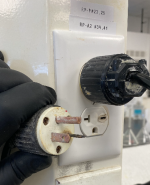
All terminations are torqued to manufacturer specifications. We also checked the plugs themselves and found that some were loose from the factory, so those were torqued as well. It appears the corrosive air in the lab is causing rapid tarnishing of the plug blades and possibly the receptacle contacts, which may be increasing resistance and heat.
The entire lab environment is highly corrosive. There are approximately fifteen (15) lab exhaust hoods in this room, and the airflow is extreme—almost like a wind tunnel. Nearly all exposed metal components in the space show signs of corrosion.
We are looking for a possible workaround to extend the life of these receptacles. Is there a manufacturer-approved lubricant or contact treatment that can be applied to the plug blades or receptacle contacts to slow corrosion and reduce overheating? We would appreciate any recommendations for devices, coatings, or installation methods suitable for this type of environment.
Thank you.
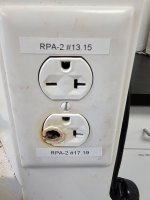
We have installed 240V, 20A receptacles in the metallurgical analysis chemistry room to serve hot plates. We are finding that we have to return every few months to replace the receptacles because they are melting.
All terminations are torqued to manufacturer specifications. We also checked the plugs themselves and found that some were loose from the factory, so those were torqued as well. It appears the corrosive air in the lab is causing rapid tarnishing of the plug blades and possibly the receptacle contacts, which may be increasing resistance and heat.
The entire lab environment is highly corrosive. There are approximately fifteen (15) lab exhaust hoods in this room, and the airflow is extreme—almost like a wind tunnel. Nearly all exposed metal components in the space show signs of corrosion.
We are looking for a possible workaround to extend the life of these receptacles. Is there a manufacturer-approved lubricant or contact treatment that can be applied to the plug blades or receptacle contacts to slow corrosion and reduce overheating? We would appreciate any recommendations for devices, coatings, or installation methods suitable for this type of environment.
Thank you.


