
MTW
Senior Member
- Location
- SE Michigan
See it whatever way you like, I did one of these two years back, with the built in rinse booster heater. The manual said 48 amp draw @ 208V 3Φ. 50 amp draw @ 240V 3Φ.50A is required, per Post #49
The factory approved supplier/ installer said that it needed a 60 amp breaker and wires for the wiring not to burn up on the onboard rinse booster heater elements, that are a pain to get to.
I ran the circuit in EMT conduit, and let him terminate the machine connections, since he would be providing any support it required.
In a busy kitchen, I doubt that a 48 or 50 amp load would survive too long without trouble on a 50 amp circuit, when it could be running non stop during the busy times, especially when connected to heating elements. It's been running without a hiccup since the install in a busy restaurant. On a wild leg 240 delta.
The optional model required two circuits, to split the heating load from the machine loads.
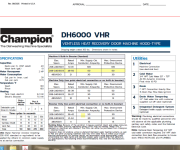
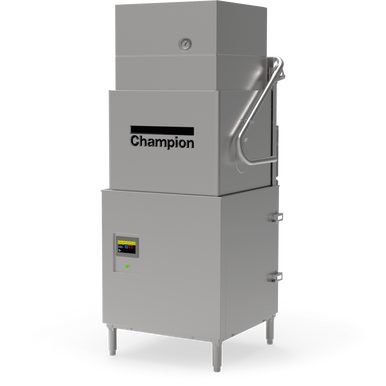
DH6000 VHR Ventless Heat Recovery Door Machine Hood-Type
 www.championindustries.com

