fastline
Senior Member
- Location
- midwest usa
- Occupation
- Engineer
There is a budget! lol However, a real busway is NOT in that budget, or really needed, but working on a new building layout and would like some thoughts. Service entrance will be 400A, 480/277. Machinery will be along 2 walls of building and most machines are 208-230V but there are some 480V. I'm only sharing voltages as I have to decide where to set transformers, size, and generally make a guess on expansion needs. I'm usually pretty adamant about setting transformers, even smaller ones, outdoors to both save space, and reduce that annoying 60hz noise.
With that said, I am currently pondering after 480 entrance, landing that from a trough, to a 480 panel, then shooting 200A of 480V through the under slab conduit across the building, and landing that in some other smaller 480 panel just so 480 is established on both sides of building. Then do outdoor concrete pads for 208/120 transformers on both sides. I just know I have to have both 480 and 208/120 covered on both sides.
Main reason for the post was I want to get creative in reducing circuits, wire, conduit, and clutter by doing mostly a single EMT on each side of building as like a busway, and add some sort of tap boxes along the feeder. It is fine to feed say a couple machines with one tap, but I need to think carefully on that. Machines to serve typically have up to 50hp of induction motors, but usually 30hp. However, they are rarely at full ballz.
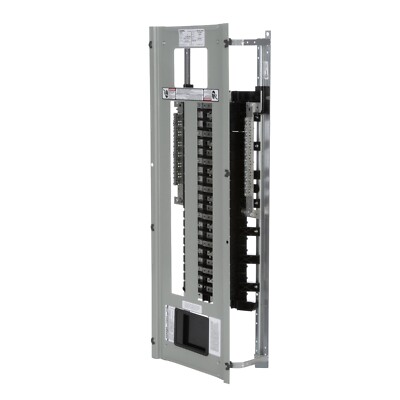
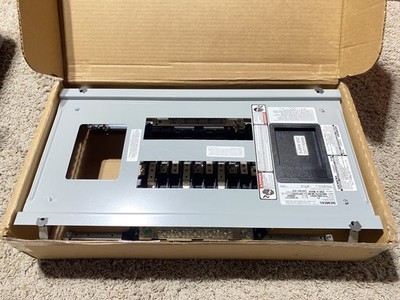
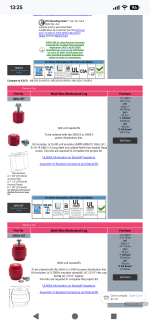
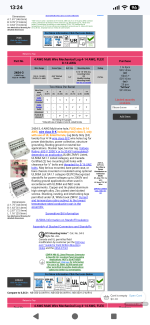
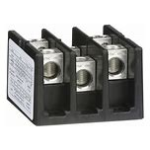
What I am trying to find is these feeder tap boxes I have in my head but can't find. I envision either a clamp style where the feeder conductors are never actually cut, or at least lugs looking left and right so the feeder passes through the boxes simple. I'd prefer breakers over fuses, but all machines have their own main breakers anyway. I had also considered running the feeder conduits higher on the wall but would have to navigate a "tee" and drop down into tap boxes.
Basically I'm horsing with ways to design a clean and easy install. Feeder distance will not exceed 100ft. What is COMMON, and may just have to return is the 'ol dedicated circuits. This is our standard go-to. Was just trying to optimize.
With that said, I am currently pondering after 480 entrance, landing that from a trough, to a 480 panel, then shooting 200A of 480V through the under slab conduit across the building, and landing that in some other smaller 480 panel just so 480 is established on both sides of building. Then do outdoor concrete pads for 208/120 transformers on both sides. I just know I have to have both 480 and 208/120 covered on both sides.
Main reason for the post was I want to get creative in reducing circuits, wire, conduit, and clutter by doing mostly a single EMT on each side of building as like a busway, and add some sort of tap boxes along the feeder. It is fine to feed say a couple machines with one tap, but I need to think carefully on that. Machines to serve typically have up to 50hp of induction motors, but usually 30hp. However, they are rarely at full ballz.
What I am trying to find is these feeder tap boxes I have in my head but can't find. I envision either a clamp style where the feeder conductors are never actually cut, or at least lugs looking left and right so the feeder passes through the boxes simple. I'd prefer breakers over fuses, but all machines have their own main breakers anyway. I had also considered running the feeder conduits higher on the wall but would have to navigate a "tee" and drop down into tap boxes.
Basically I'm horsing with ways to design a clean and easy install. Feeder distance will not exceed 100ft. What is COMMON, and may just have to return is the 'ol dedicated circuits. This is our standard go-to. Was just trying to optimize.